
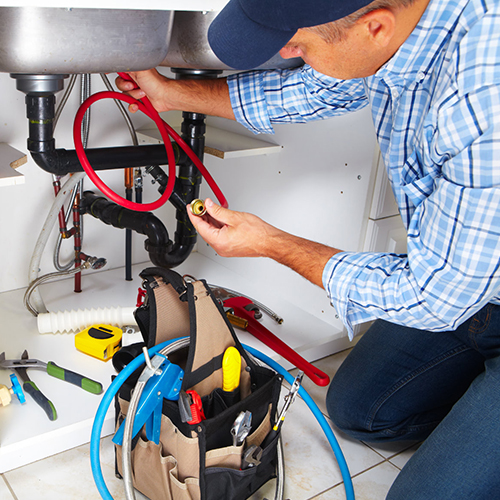
Early Signs of Plumbing Irregularities
Small plumbing irregularities often begin with seemingly inconsequential symptoms such as minor leaks, slow drainage, or occasional water pressure fluctuations. Homeowners may dismiss these warning signs as trivial, yet they are indicative of underlying structural or mechanical issues within the plumbing system. A pinhole leak in a pipe, for instance, may only release a few drops per hour but can gradually erode the surrounding material, creating weaknesses that compromise the integrity of the entire system. Similarly, a partially clogged drain may not immediately impede water flow but fosters the accumulation of debris, which eventually transforms into a significant blockage. These minor deviations from normal function are often subtle, making early detection challenging, and when left unaddressed, they set the stage for larger, more expensive repairs that could have been prevented with timely intervention.
The Role of Corrosion and Material Fatigue
One of the primary factors that transform minor plumbing irregularities into costly repairs is the gradual deterioration of pipes and fittings through corrosion and material fatigue. Metal pipes, particularly those made from galvanized steel or iron, are prone to rust and mineral buildup over time. This process weakens the pipe walls and narrows internal diameters, which increases pressure and stresses the system. Plastic and composite pipes are not immune either, as repeated thermal expansion and contraction can create microscopic cracks that grow under pressure. These invisible degradations often begin as minor leaks or slight water discoloration, but the underlying corrosion continues unchecked, eventually causing pipe bursts or joint failures. Understanding this progression emphasizes that what appears to be a small issue is often the visible tip of a far more complex and costly problem.
Pressure Fluctuations and System Imbalance
Plumbing irregularities also escalate costs due to the effect of pressure fluctuations and system imbalances. Even minor inconsistencies in water pressure can place disproportionate strain on fixtures, valves, and pipes. A faucet that drips intermittently or a showerhead with uneven flow may indicate an underlying pressure issue caused by obstructions, faulty regulators, or hidden leaks. When these pressure variations persist, they accelerate wear on the system, leading to cracked joints, leaking valves, and in severe cases, complete pipe rupture. Additionally, the complexity of modern plumbing systems means that a localized irregularity often affects distant sections, creating cascading failures that necessitate extensive repairs. Addressing these early irregularities before they propagate is essential to avoid exponential increases in repair costs.
Hidden Leaks and Structural Damage
Small plumbing issues frequently evolve into expensive repairs because of hidden leaks that go unnoticed behind walls, beneath floors, or under concrete slabs. While surface leaks are often visible and easily accessible, concealed leaks silently saturate surrounding materials, causing wood rot, mold growth, or weakening of concrete foundations. This structural damage compounds the cost of the plumbing repair itself, as remediation involves both fixing the pipe and repairing affected surfaces. Moreover, water intrusion fosters an environment for microbial growth, which can lead to health hazards and necessitate specialized remediation. The hidden nature of these leaks often means that by the time the issue is detected, the scope of the repair has expanded far beyond the original minor irregularity.
Sediment Accumulation and Blockages
Sediment accumulation within pipes is another subtle factor that transforms minor plumbing irregularities into expensive interventions. Over time, minerals, sand, and other debris carried by water accumulate along pipe walls, especially in older systems or areas with hard water. This buildup gradually restricts water flow, increases pressure, and intensifies the strain on joints and fixtures. A slow-draining sink or toilet may appear as a minor inconvenience, but it often signals a sediment-related obstruction. Attempting temporary fixes, such as chemical drain cleaners, may offer short-term relief but do not address the underlying accumulation. Eventually, pipes may require extensive cleaning, replacement, or rerouting to restore full functionality, significantly inflating repair costs.
Inadequate Maintenance Practices
Many small plumbing irregularities escalate into costly repairs due to inadequate maintenance practices. Homeowners who delay routine inspections, fail to flush water heaters, neglect to check for leaks, or ignore minor performance anomalies inadvertently allow small issues to grow. Preventative measures, such as regular professional inspections, system flushing, and pressure testing, are critical in identifying potential failures before they become major problems. Without consistent attention, minor leaks, corrosion, and pressure inconsistencies evolve into emergencies, often requiring rapid response and higher expenses for materials and labor. Proper maintenance is not merely a precaution but a strategic investment that preserves the integrity and longevity of the plumbing infrastructure.
Complexity of Modern Plumbing Systems
Modern plumbing systems, designed for efficiency and convenience, are inherently more complex than older systems. They integrate a variety of materials, fixtures, and control mechanisms, which means that a minor irregularity in one component can have far-reaching consequences throughout the network. A small leak in a supply line may create backpressure, affect appliance function, or compromise water quality, leading to simultaneous issues in multiple areas of the home. This interconnectedness amplifies the cost and complexity of repairs, as technicians must often trace the problem through an intricate web of pipes and systems. Recognizing the potential for cascading effects underscores why minor plumbing irregularities should never be underestimated.
Economic Implications of Delayed Repairs
Delaying the repair of minor plumbing issues carries significant economic consequences. Labor costs rise when technicians must spend more time diagnosing complex problems that have escalated. Materials and parts, which might have sufficed for a small repair, often require complete replacement when deterioration spreads. Additionally, structural damages caused by prolonged leaks can necessitate costly restoration work. Insurance claims may also be affected if damages are perceived as resulting from neglect rather than sudden failure. Cumulatively, what begins as a small, affordable fix evolves into a substantial financial burden, highlighting the critical importance of early detection and proactive maintenance in mitigating long-term costs.
Preventive Strategies to Mitigate Costs
Implementing preventive strategies is the most effective way to limit the financial impact of small plumbing irregularities. Regular inspections by licensed professionals, timely replacement of aging pipes, water pressure monitoring, and proper fixture maintenance collectively reduce the likelihood of minor issues escalating into major failures. Homeowners can also adopt practices such as installing filtration systems to reduce sediment accumulation, routinely checking for subtle leaks, and maintaining records of plumbing service history to identify patterns of wear. While these measures require investment in time and resources, they significantly reduce the likelihood of expensive, disruptive repairs. Preventive action is a pragmatic approach that balances system longevity, cost efficiency, and household safety.
Conclusion
Small plumbing irregularities, if ignored, possess a remarkable ability to develop into extensive, expensive repairs due to factors such as corrosion, pressure fluctuations, hidden leaks, sediment accumulation, and systemic complexity. Their subtlety masks the potential for extensive damage to both the plumbing infrastructure and surrounding structures. Consistent maintenance, vigilant monitoring, and early intervention are essential to prevent minor deviations from escalating into major financial burdens. Recognizing the hidden risks and addressing issues promptly not only preserves the functionality and longevity of plumbing systems but also safeguards the broader investment in property and household well-being.
About The Author
