
Comprehensive Overview of Routine Dental Examinations
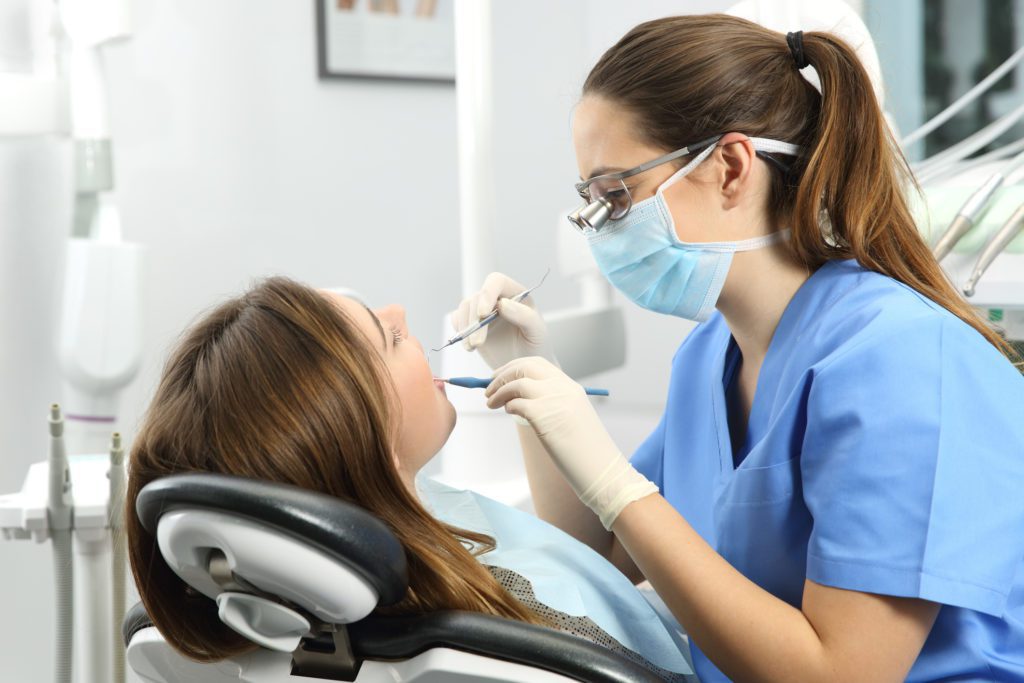
Routine dental examinations form the cornerstone of preventive oral healthcare, playing a critical role in maintaining long-term dental well-being. During these visits, a dentist meticulously evaluates each tooth, inspecting for early signs of decay, structural irregularities, and gum health. The process often begins with visual and tactile assessments using specialized instruments to identify enamel erosion, cavities, or other subtle anomalies that may not be immediately visible. Advanced imaging techniques such as digital X-rays or intraoral scanners are frequently employed to reveal underlying conditions that could compromise oral integrity if left untreated. Beyond assessing structural health, dentists examine soft tissues to detect inflammation, lesions, or abnormalities in the gums, tongue, and palate. This comprehensive scrutiny is complemented by a detailed discussion of the patient’s oral hygiene habits, dietary considerations, and lifestyle factors, enabling the formulation of a personalized maintenance plan. The insights gained during these examinations guide proactive interventions, ultimately preventing complex dental issues and ensuring a more predictable path toward optimal oral health.
The Intricacies of Dental Cleanings and Scaling Procedures
Dental cleanings are a foundational aspect of preventive dentistry, meticulously designed to remove plaque, tartar, and bacterial deposits that accumulate in hard-to-reach areas. The procedure commences with a thorough examination to determine the extent of buildup, followed by the careful application of ultrasonic and hand instruments to detach hardened deposits from the teeth and beneath the gumline. Scaling, a more targeted intervention, addresses stubborn calculus that cannot be eliminated through routine brushing or flossing. Dentists or dental hygienists employ precision tools to access subgingival spaces, gently disrupting bacterial colonies while preserving surrounding tissue integrity. Polishing, often incorporated at the conclusion of the cleaning, enhances surface smoothness and impedes future plaque adhesion. Throughout the process, water irrigation and suction devices are employed to maintain a clear operative field and minimize patient discomfort. Beyond aesthetic improvement, these procedures actively prevent periodontal disease, tooth decay, and systemic health complications linked to oral infections, underscoring their essential role in sustaining lifelong dental wellness.
Understanding the Dynamics of Fillings and Restorative Procedures
Dental fillings constitute one of the most frequently performed restorative procedures, addressing cavities caused by bacterial demineralization of tooth enamel. The process begins with a careful removal of decayed material, achieved through precise instrumentation that preserves healthy tissue. The preparation of the cavity involves shaping the affected area to ensure the optimal fit and durability of the restorative material. Depending on the specific requirements, a dentist may select from a range of materials, including composite resins, amalgam, or glass ionomer, each offering distinct advantages in terms of aesthetics, longevity, and biocompatibility. The material is carefully placed in layers, with meticulous curing or setting processes to ensure structural integrity and proper adhesion. The restoration is then sculpted to replicate the tooth’s natural anatomy, ensuring functional efficiency in chewing and maintaining the overall bite alignment. Polishing and finishing further enhance both appearance and comfort, producing a restoration that seamlessly integrates with the surrounding dentition. This meticulous process demonstrates the balance between functionality and aesthetic refinement, emphasizing the intricate skill required for successful restorative dentistry.
The Complexity of Root Canal Treatments
Root canal treatment is an essential procedure for addressing infections within the innermost portion of the tooth, commonly resulting from deep decay, trauma, or chronic inflammation. The process initiates with detailed imaging to map the tooth’s internal architecture, enabling precise navigation of root canals and avoidance of structural complications. Following administration of local anesthesia to ensure patient comfort, the dentist accesses the pulp chamber and removes infected tissue using specialized instruments. This step requires careful attention to avoid perforation or unnecessary damage to surrounding dentin. The canals are meticulously cleaned, shaped, and disinfected to eradicate bacterial presence, after which a biocompatible material is used to fill and seal the space. This prevents reinfection and restores the tooth’s integrity. A temporary or permanent crown is typically placed to reinforce structural strength and maintain proper occlusion. The procedure not only salvages teeth that might otherwise require extraction but also alleviates pain and prevents the spread of infection, illustrating the critical intersection of precision, patience, and advanced dental technology in preserving oral health.
The Science Behind Dental Crowns and Bridges
Dental crowns and bridges are integral restorative solutions, employed to restore severely compromised teeth and replace missing dentition. The procedure for crowns begins with the careful preparation of the affected tooth, removing a controlled amount of enamel to accommodate the prosthetic without compromising natural structure. An impression or digital scan captures precise contours, enabling the fabrication of a custom-fitted crown from durable materials such as porcelain, zirconia, or metal alloys. Temporary crowns often protect the prepared tooth while the final restoration is produced. Bridges, on the other hand, utilize adjacent teeth as anchors to support the prosthetic replacement of missing teeth, requiring careful shaping and alignment to ensure seamless integration. Placement involves trial fitting, adjustments for occlusal harmony, and permanent cementation, achieving both functional efficiency and aesthetic enhancement. These procedures not only restore chewing and speech capabilities but also prevent shifting of surrounding teeth, maintain facial structure, and contribute to overall oral stability, highlighting the meticulous planning and execution necessary for successful restorative outcomes.
Advanced Techniques in Teeth Whitening and Cosmetic Procedures
Cosmetic dental treatments, including teeth whitening, employ both chemical and technological innovations to enhance smile aesthetics while maintaining dental health. Whitening procedures typically begin with a thorough cleaning to remove surface debris, followed by the application of bleaching agents such as hydrogen peroxide or carbamide peroxide. Techniques vary from in-office laser-assisted methods that accelerate the chemical reaction to customized at-home trays that allow controlled, gradual whitening. The process requires careful monitoring to prevent sensitivity or damage to enamel and soft tissues, with dentists often providing protective barriers and post-treatment care instructions. Beyond whitening, cosmetic dentistry may involve contouring, bonding, or veneers to address imperfections, enhancing symmetry, texture, and color. These treatments emphasize precision and artistry, blending scientific understanding with aesthetic judgment to achieve natural-looking results. By employing advanced materials and technologies, dentists create durable and visually pleasing outcomes that improve patient confidence and overall satisfaction, illustrating the evolution of dental care into a fusion of health and cosmetic enhancement.
Preventive Strategies and Patient Education
The success of dental treatments is intricately linked to patient adherence to preventive strategies and oral hygiene education. Dentists dedicate significant attention to instructing patients on proper brushing techniques, flossing methods, and the importance of regular checkups to sustain treatment benefits. Nutritional guidance, lifestyle modification, and early recognition of potential risk factors further complement professional interventions. Fluoride applications, sealants, and personalized maintenance plans represent proactive measures that enhance the longevity of both natural dentition and restorative work. Education empowers patients to actively participate in their oral health, transforming routine care into a collaborative effort that mitigates the recurrence of disease and minimizes the need for invasive procedures. By combining professional expertise with informed patient practices, the dental care process evolves into a comprehensive framework that preserves oral function, appearance, and overall systemic health for years to come.
Conclusion: The Integral Role of Understanding Dental Processes
A profound understanding of common dental treatments illuminates the complexity, precision, and scientific rigor inherent in modern dentistry. Each procedure, from routine cleanings to advanced restorative interventions, is designed to address specific oral health challenges while maintaining functionality, aesthetics, and patient comfort. Recognizing the detailed steps, specialized instruments, and materials involved fosters informed decision-making and enhances appreciation for the preventive and therapeutic strategies employed by dental professionals. Ultimately, a well-rounded knowledge of dental processes empowers individuals to actively engage in their oral care journey, embrace preventive practices, and navigate treatment options with confidence, ensuring the preservation of a healthy, resilient, and radiant smile throughout their lifetime.
About The Author
